
Do We Want to Be Informed?
By Avo Garboushian ·
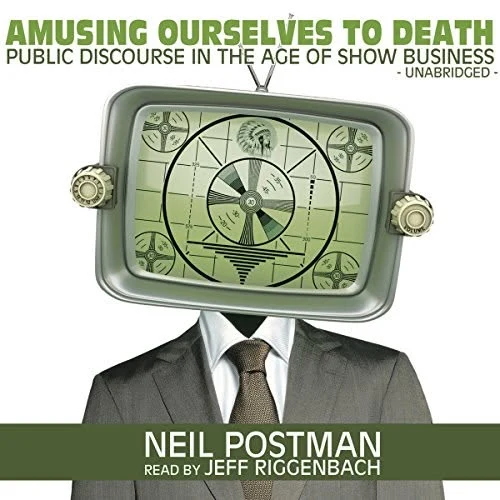
Neil Postman warns of the threat posed by television altering the epistemology grounded in print media, particularly information considered to be informative in nature. This fragmentation of information is most prevalent in the social media sites that dominate the public consciousness.
In an attempt to stay relevant, Journalism has been an echo chamber of sensationalism which has led to shifting attitudes about the true nature of journalism. This shift in attitude has led many to reconsider the role of journalists serving as the guardians of a functioning democracy. It has led to an explosion of social media channels, both good and bad, to create an alternative platform for those unheard voices the mainstream media doesn’t want as part of its corrupted narrative. But in the fight for the truth to come to light, the growth in alternative media sources have also been under scrutiny for accuracy. The cancel culture has led to extreme censorship of free speech, leading to greater polarization of opinions.
People have a problem with the framing of the news in an honest way so it opens the question, what is true and what is fake news? News is delivered with a bias. Left, Far Left, Right, Far Right. Do people really want to be informed or do they want their ideology confirmed? The real news is awful. Fake news makes you feel wonderful and affirms everything you believe. We all fall into the trap of cognitive dissonance and rightly so. We form our opinions based on ideology driven by our own experiences and the experiences of others we relate with. Yet I rather be constantly bombarded with conflicting viewpoints than to have one narrative that becomes the dominant theme. I rather hash it out and discuss information that challenges each other to think about various perspectives.
So, what is the solution?